

Everyone falls a little in love with Playa del Carmen before they buy here. That's not the problem.
The problem shows up later — when the developer stops responding to emails, when the HOA turns out to have no reserve fund, when the insurance policy doesn't cover the hurricane damage the way you assumed it would. Or worse: when you realise, months in, that nobody actually explained what owning property here requires.
Most of the expensive mistakes I see foreign buyers make in the Riviera Maya aren't about picking the wrong condo. They're about buying without the right protection system around them.
I've spent 15 years working across cultures and, more recently, as a licensed, independent real estate agent in Quintana Roo — not tied to any single developer, which means I see the market from the buyer's side of the table, not the sales side. This isn't a scare piece. It's the conversation I'd have with you over coffee before you sign anything.
Buying in Mexico is not the same process as buying in Canada or the US, even when the paperwork looks similar on the surface. There's no MLS here — no single, searchable database of everything for sale. That one structural difference explains most of what goes wrong: it means your visibility into the market depends entirely on who you're working with.
Add a vacation mindset — you're relaxed, the sun is out, the unit has an ocean view — and due diligence quietly slips down the priority list. The goal isn't to talk you out of buying. It's to help you buy with your eyes open.
Most buyers choose an agent because they responded quickly or because they liked one particular listing. Almost nobody vets on credentials, network access, or track record. In a market with no MLS, your agent is your visibility into inventory. Choose the wrong one, and you've narrowed both your options and your protection before you've even started looking.
A few things worth knowing:
If you take one thing from this section, let it be this: ask for closed transaction references before you ask about square footage.
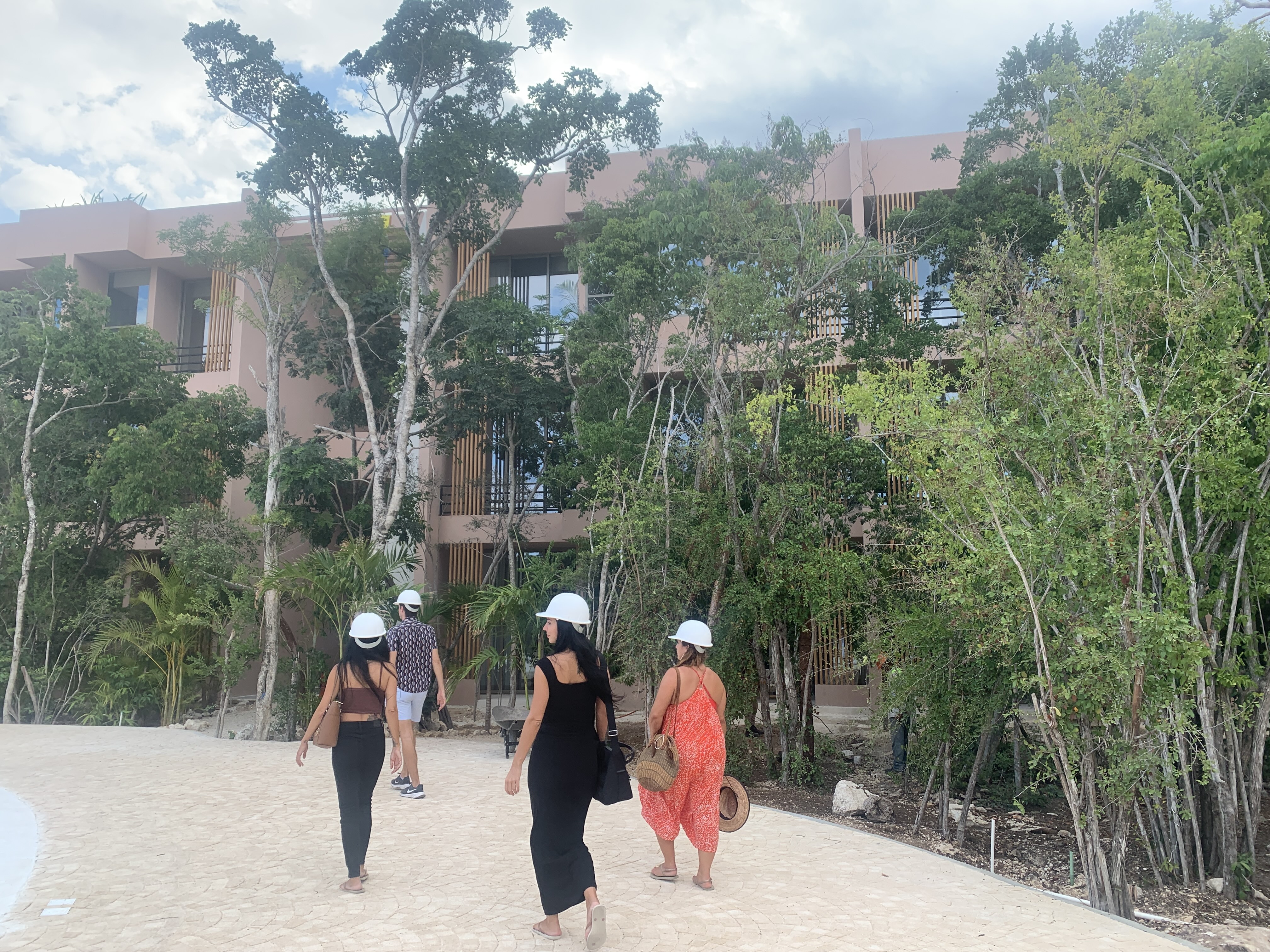
Preconstruction can be one of the smartest ways to buy in this market — and one of the riskiest, depending entirely on who's building. A quick word before we go further: most developers who don't deliver aren't scammers. Some genuinely set out to defraud buyers, but far more often it's a developer who mismanaged funds, underestimated the real cost or timeline, or simply ran out of money partway through. Due diligence is what separates the two — and it's what protects you either way.
The most common problems I see: delayed timelines, developers running short on funding partway through, amenities quietly downgraded from the original renderings, no escrow protection on deposits, and rental-return projections that were never realistic to begin with.
To be clear: preconstruction itself isn't the problem. Buying based on the marketing deck instead of the developer's actual delivery history is.
Before you commit, ask what else this developer has built, when it was delivered against the original timeline, and how your deposit is protected if the project stalls — then go see those other buildings yourself. A track record you can walk through tells you more than any rendering ever will.
Buyers spend weeks negotiating price and almost no time thinking about what ownership actually looks like the day after closing. That's a mistake, because a poorly managed property can quietly erode your returns even when the purchase itself was a good one.
Here's the reality in this region specifically: there's no independent licensing or certification system for property managers in Quintana Roo. State law requires an administrator to show experience or training, but it's self-declared and approved by the condo assembly — no outside body verifies it, and it can even be waived by a vote. (An industry group actually proposed adding real certification in 2025 — because right now, there isn't one.) In our experience here in the Riviera Maya, most management companies come with mixed reputations, and there's no independent rating system to check instead of asking around.
Building size changes what's realistic. A large development — 200-plus units — genuinely needs a dedicated professional team: daily maintenance requests, larger recurring repairs, and staff oversight are more than any volunteer board can handle. A smaller building still needs that same kind of team — the difference is scale and cost, not whether you need one at all. Either way, the real protection isn't finding a perfect company on paper — it's staying personally involved in the decision, and asking current owners in buildings that company already manages how it's actually gone for them.
Tropical climates raise the stakes further. Humidity, salt air, and hurricane season all take a toll on buildings faster than most buyers from colder climates expect. If you're renting the unit out, you're also signing up for guest communication and the kind of day-to-day revenue leakage that's easy to miss from a distance. If you won't be living here full-time, property management isn't optional — it's the difference between an asset and a liability.
Homeowners' associations in Mexico can shape your quality of life, your monthly costs, and your resale value more than buyers expect — and very few Riviera Maya buyers ever ask to see the HOA's meeting minutes, budget, or bylaws before they purchase.
Watch for deferred maintenance, thin or nonexistent reserve funds, a lack of financial transparency, ongoing noise or short-term-rental disputes between owners, a history of surprise special assessments, and inconsistent governance from one year to the next. (For a sense of what's typical here, current HOA cost data for Playa del Carmen and broader Riviera Maya ownership costs, including hidden reserve-fund fees are worth a look.)
One question worth asking directly: does this HOA carry disaster or emergency coverage — and if not, is there a real, funded reserve to draw from instead? Many large developments in this region carry no insurance at all, because at that scale the premiums simply aren't economically justifiable. The alternative some buildings use is a self-funded emergency reserve that every owner contributes to, so there's an actual pool of money to rebuild from if a hurricane damages shared spaces — rather than a policy that may not exist. Ask which model your building uses, and how the reserve is actually funded.
A building with heavy Airbnb turnover, underfunded hurricane repairs, or fees that have quietly crept upward are all worth a second look before you sign.

Most foreign buyers assume insurance works here the way it does back home. It doesn't, and the gap usually surfaces at the worst possible moment — after a storm, not before one.
Start with the basics: there are two distinct types of coverage to think about. One protects the structure itself. The other protects what's inside it — your furniture, appliances, and belongings — the way renters insurance would back home. Many buyers assume one policy covers both, and find out otherwise only after a loss.
Pay close attention to how hurricane coverage is actually defined, whether the policy covers contents as well as structure, what your liability exposure looks like if you're renting the unit out, whether there's a vacancy clause that could void coverage, what your storm deductible really is, and whether flood damage is excluded outright.
And as with the HOA question above: if your building carries no master insurance policy at all — common at scale — ask what the alternative protection actually is, and whether that reserve is real and well-maintained.
Two concrete, physical protections are worth budgeting for regardless of what your policy covers: surge protection (power outages are a common cause of appliance damage here) and hurricane shutters — a peer-reviewed study found homes with this kind of opening protection saw over 70% fewer insurance claims during a real storm. Insurance should be part of the buying conversation from day one — not something you scramble to sort out after closing.
None of this is meant to talk you out of buying here. It's meant to change how you buy.
The buyers who have the smoothest ownership experience tend to do five things differently: they work with an independent, credentialed agent instead of a developer-tied one; they verify a developer's delivery history instead of trusting the renderings; they line up property management before closing, not after; they read the HOA's actual financials before they sign; and they treat insurance as part of the purchase decision, not an afterthought.
That's the role I play for my clients — connecting you to vetted legal counsel, doing developer due diligence, reviewing HOA documents with you, and introducing you to insurance and property management partners I trust. I manage the complexity so you can enjoy the calm.
Buying property in Playa del Carmen can be one of the best investment and lifestyle decisions you make — but only if you go in understanding what ownership here actually requires. The goal was never to scare you off. It's to help you buy intelligently, with the right people around you.
Download the Red Flags Checklist and the Real Estate Agent Vetting Framework below, and book a consultation with me before you make your next move.
.png)


.svg)