
If you’re thinking about buying a home in the Riviera Maya, it’s tempting to start with the property.
You find a condo with a great pool; the photos look good, and the price seems reasonable. The beach is somewhere nearby. A promising start.
But it may be the wrong place.
The Riviera Maya is not one market with one lifestyle. It’s a long stretch of coast with towns that feel very different from one another. Even within the same town, the experience can change dramatically from one neighbourhood to the next.
That’s why the better first question is not: “Which property should I buy?”
It’s: “Where do I actually want to live?”
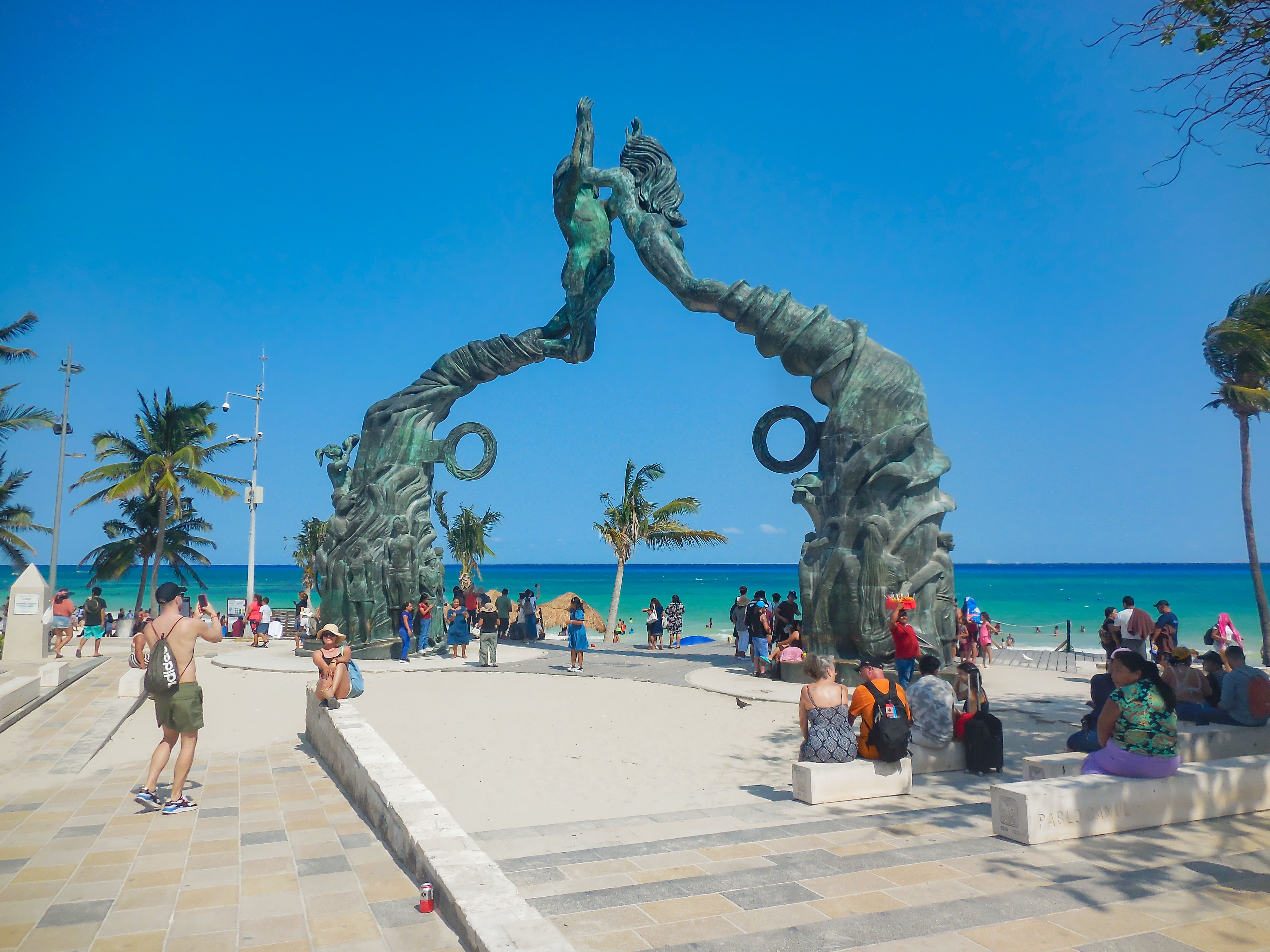
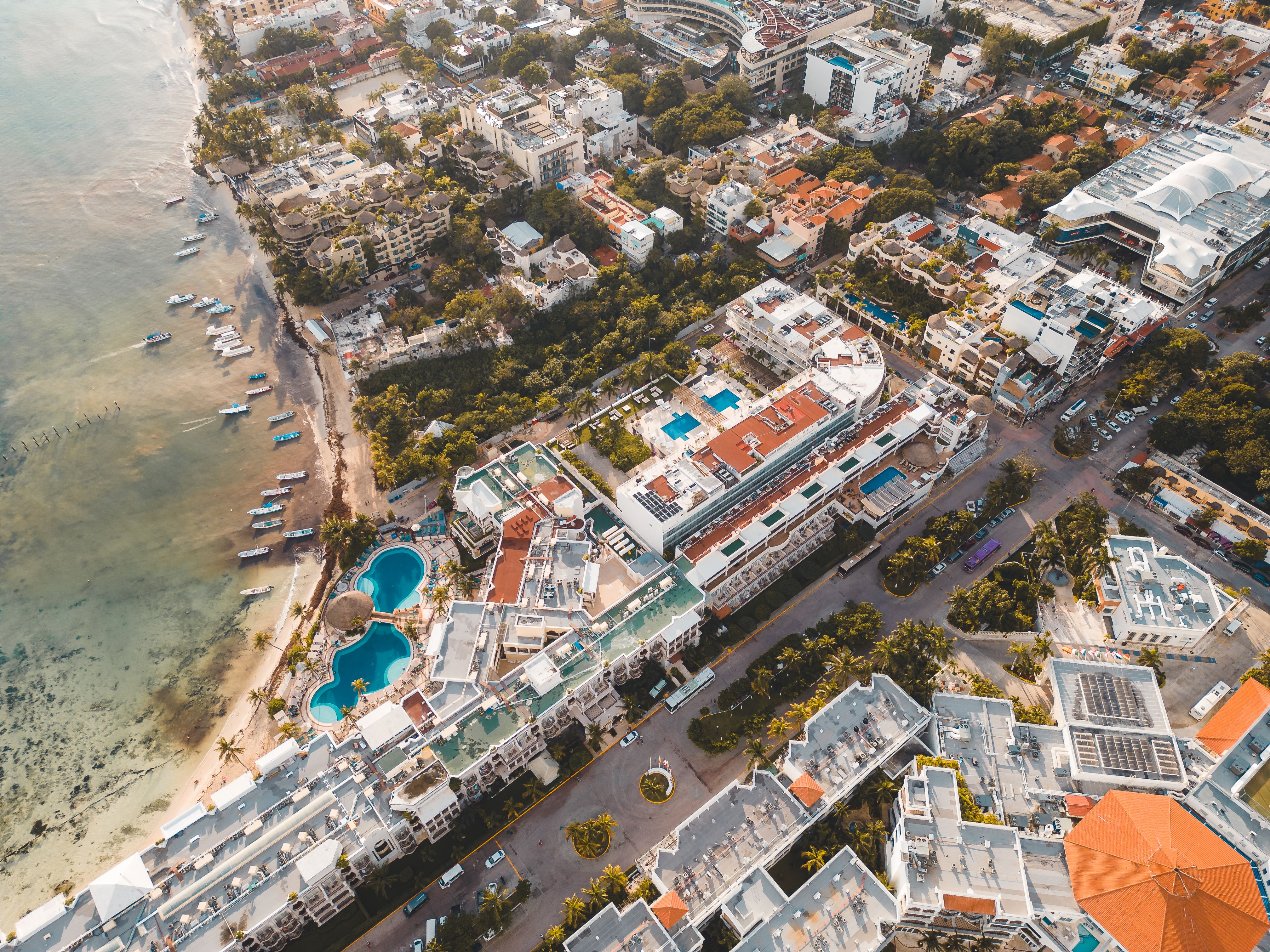
Playa del Carmen is probably the first place many buyers research when considering the Riviera Maya. It’s popular and has the beaches, restaurants, shops, nightlife, and a large residential market.
But saying you want to live in Playa del Carmen doesn’t narrow down the decision much.
Playacar, for example, offers a well-planned, gated environment with many everyday services within or close to the development such as convenient stores, pharmacies, schools, restaurants, laundries, and realtors to name a few. And right outside the gates you can find supermarkets, a private hospital, gyms and a full shopping mall within 5 minutes.
Centro is a different proposition. It puts you closer to the city's pedestrian streets, restaurants, shops, and everyday activity. Grocery options are also concentrated around central corridors, including Walmart, Mega Soriana, Súper Akí, and other stores.
Colosio has strong beach access in many parts, so it should not be dismissed as a neighbourhood that is simply “far from the water.” It also has its own local services and community infrastructure, including a municipal primary care centre.
Then there are the northern gated communities, including the Mayakoba and El Cielo areas and the west corridor, which includes places such as Ejido, Selvanova, Los Olivos, and La Toscana.
The broad pattern is useful, but it’s not a rule.
Beachside locations generally command a premium over inland ones. Gated communities also tend to command a premium. That is why Playacar and the northern gated cluster can sit near the top of the local price range.
But “west of Highway 307” doesn’t automatically mean cheap either.
Selvanova, for example, is a gated residential development west of the highway with controlled access, pools, a gym, green areas, and other amenities. Its current marketing positions it as a higher-end residential option rather than simply an inexpensive inland alternative.
The lesson is simple: location matters, but the kind of development matters as well. A gated community can command a premium even when it sits on the inland side of the highway.
If Playa del Carmen feels too busy, too large, or simply not like the place you pictured, that does not mean the Riviera Maya is off the table.
It may mean you need to look farther along the coast.
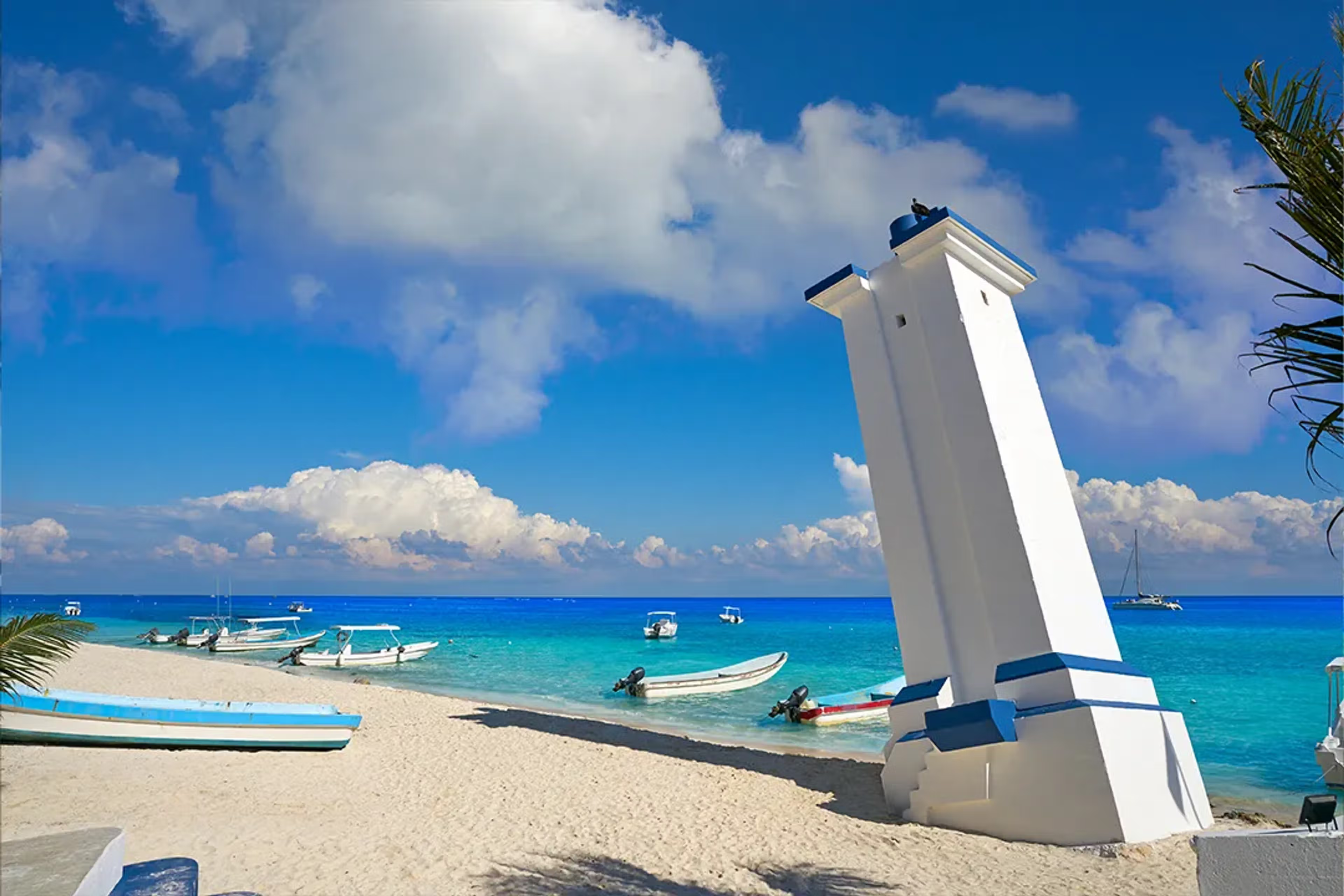
Puerto Morelos offers one of the clearest examples of why you shouldn't judge a town by a single lifestyle.
On the beachside, around the Pueblo and Zócalo, you’re closer to restaurants, hotels, tourism infrastructure, the central plaza, and the water. The experience is more walkable and geared toward people who want to be close to the town's social centre.
Cross Highway 307 and the character changes.
La Colonia is more residential and local, with family-run businesses and a generally less tourism-focused feel. It is also meaningfully cheaper in many cases.
That makes Puerto Morelos interesting for two very different buyers. Someone who wants to walk to dinner and the beach may prefer the Pueblo side. Someone who values a more local setting and lower housing costs may find La Colonia more appealing.
Daily services are available in town. Súper Akí, pharmacies, and other businesses serve residents, while medical options include Live Medical Center and other clinics.
Puerto Aventuras is a different proposition again.
It’s a master-planned, gated community built around a marina, with residential areas, golf, beaches, and tourism facilities. It doesn’t give the same beachside-versus-inland decision found in Puerto Morelos or Playa del Carmen.
For buyers who prefer a more contained residential environment, this can be a major advantage.
Grocery options include Super Chedraui, Super Akí, and smaller markets. Medical services in and around the community include clinics, laboratories and hospitals, and a new Joya Clinic opened in 2025.
The trade-off is a more defined community experience. If your priority is a large city’s variety of neighbourhoods, businesses, and nightlife, Playa del Carmen gives you more.
Akumal is another option for buyers who put access to nature and a quieter coastal lifestyle ahead of having every urban convenience nearby.
It’s not a miniature Playa del Carmen. The area has everyday necessities, including grocery options such as Akumal General Store, which also has a pharmacy.
But the smaller scale means you should think carefully about what you need each week. If regular hospital visits, extensive shopping, or a large social scene are central to your lifestyle, proximity to larger service hubs is more important.
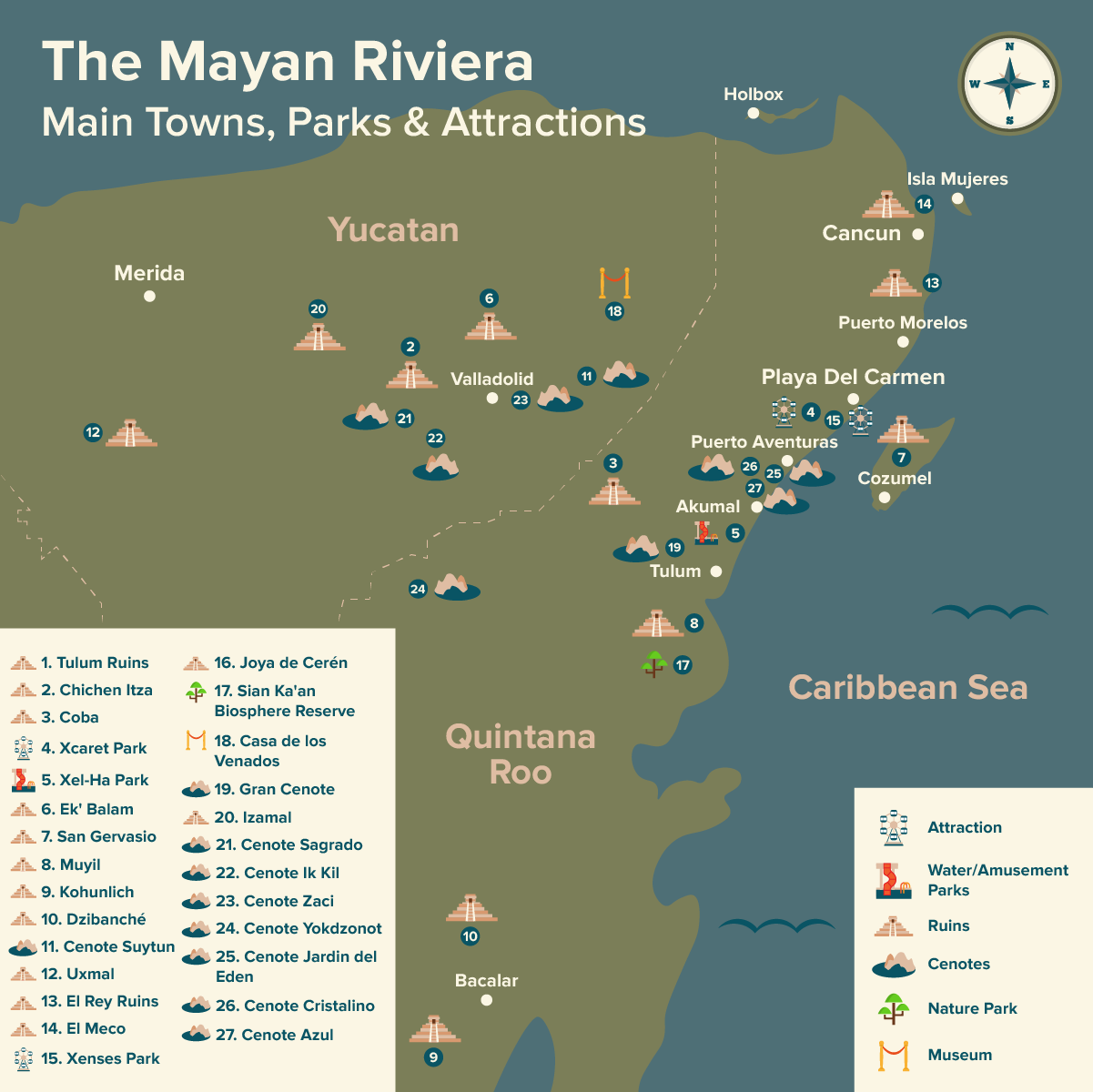
Tulum often gets treated as a single destination. For someone considering a permanent home, that can be misleading.
The three residential areas in this comparison offer very different experiences.
Pueblo or Centro is generally the more affordable and local option. It is practical, connected to everyday commerce, and less focused on the polished residential environment found in newer planned developments.
La Veleta occupies a middle ground. It’s become a popular base for remote workers and other internationally minded residents. You will find coworking spaces, gyms, small markets, and other businesses aimed at a younger, more mobile population.
Aldea Zama is more planned and feels more gated. It’s a more predictable residential environment, with restaurants, shops, and services within the development and nearby areas.
The pattern is similar to Playa del Carmen: more planning and controlled residential infrastructure generally means a higher price and a more manageable experience.
The famous Tulum Beach Zone is deliberately left out of this comparison since it’s primarily a hospitality and vacation-rental corridor, not the kind of residential neighbourhood you should use as a straightforward answer to “Where should I live?”

The best choice becomes easier when you stop asking which town is best and start asking what you need from your week.
Below is a generalized view of the 12 areas to help you zero in on your priorities.
* Puerto Morelos – La Colonia: reliability can be good in established areas but less consistent on particular streets or in individual buildings.
A listing can tell you how many bedrooms a property has, but it won’t tell you how the neighbourhood feels at 7 a.m. on a weekday.
You need to test that.
Visit the area at different times of day. Walk the route you would actually take to get coffee or groceries. Check traffic and noise. Look at nearby construction. Test mobile reception and internet performance. Ask how water service works in the building.
Then look beyond the town itself.
These questions matter much more when you’re pitting Puerto Morelos against Tulum than when you’re simply comparing two condo buildings a few blocks apart.
Most of all, spend some time in the area outside the tourist experience.
Remember, you’re not buying the beach photo.
You're buying into a daily routine.
There’s absolutely nothing wrong with starting your Riviera Maya search by looking at beautiful homes.
The problem comes when the property becomes the reason you choose the location.
A great condo in the wrong part of town is still the wrong purchase. A cheaper home that fits your routine, priorities, and tolerance for driving may give you a far better life.
That’s why your first decision should be about location. Then the neighbourhood. Then, finally, the property.
If you’re still comparing towns and neighbourhoods, this downloadable Neighbourhood Comparison Chart can help you put the options side by side before you start making property decisions.
And if you want help working through the decision based on how you actually plan to live, you can book a Location Consultation or take the Relocation Assessment.
The goal is not to find the “best” place in the Riviera Maya.
It’s to find the place that makes sense for you.



.svg)